09. Seasons
How to get a patio through a winter
A patio built right survives winter on its own. The things you do at the edges of the season are what keep it looking new.
The base and the slope are doing the heavy lifting all winter, even under two feet of snow. Your job is small: keep the surface draining, do not carve it up with a steel blade, and watch the low corners when the thaw comes. Water that has somewhere to go does no damage. Water that pools and freezes is what moves things.
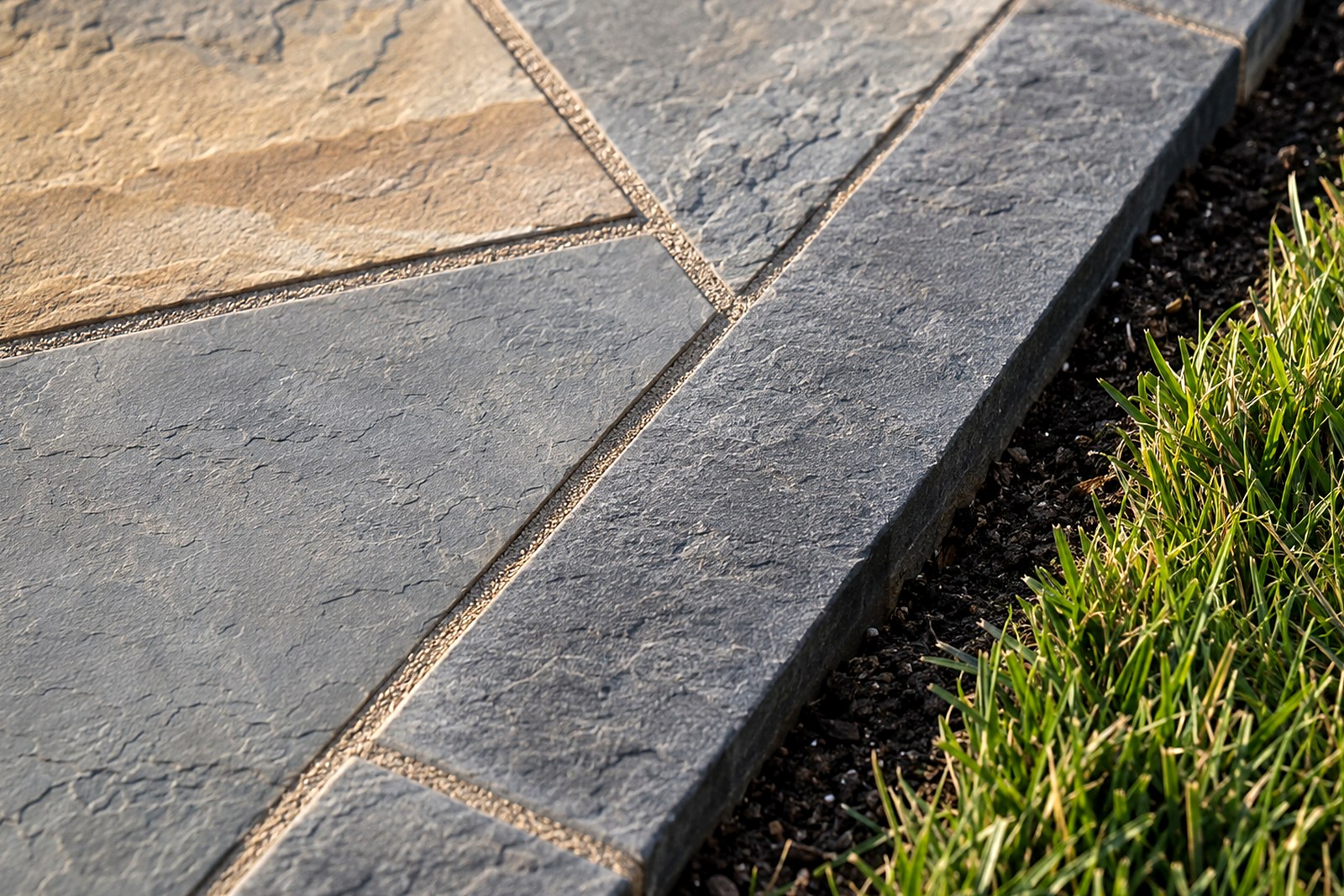
The single most common winter mistake is scraping a paver surface with a steel snow shovel or a metal-edged plow. That scratches the finish and can catch a joint. A plastic shovel or a rubber-edged blade from the house out is plenty. Spread sand or a pet-safe melt rather than rock salt, and do not chip ice off with a bar. Come spring, a quick look at the edges and joints tells you everything is fine, and a small sweep of sand back into the joints finishes the job.
Preparing a patio for winter is mostly about keeping water off it before the first hard freeze. Clear the leaves and dirt that trap moisture, make sure the surface still drains, and do not pile snow against the house or leave the plow to drag steel across the stone. Small habits decide whether spring reveals the same surface you built.
What you should not do is panic about frost. A patio built to depth over a compacted base is designed for the cycles that come every year. The jobs that suffer are the ones built shallow, and nothing you do in December will fix a base that was wrong in June.
Two habits do most of the work. Keep the surface clear of leaves and debris so water can find the low point, and keep the joints full of sand so the pavers stay locked. A washed-out joint is easiest to top up in the fall and hardest to fix once frost has lifted the paver.
Tell the plow service the surface is pavers, and keep the blade an inch up with skid shoes on. One season of steel dragging across the surface does more damage than ten winters would. A little care in the two months of plowing protects twenty years of patio.
The best time to fix a winter problem is the fall before it happens. Walk the patio after a hard rain and see where water lingers; that low spot is where frost will do its first work. A bag of sand in October to top up the joints and a few minutes clearing the drains does more for the surface than anything you can do in January, when the ground is locked up and there is nothing useful left to do.
- Shovel with plastic or rubber, not steel
- Keep snow piled off the low side so melt has a path
- Use sand or pet-safe melt, not rock salt
- After the thaw, sweep sand back into the joints
Easiest habit: shovel the same direction the water drains, so you are never pushing melt back against the house.
Ready when you are.
Free estimates in Mansfield and the towns around it.